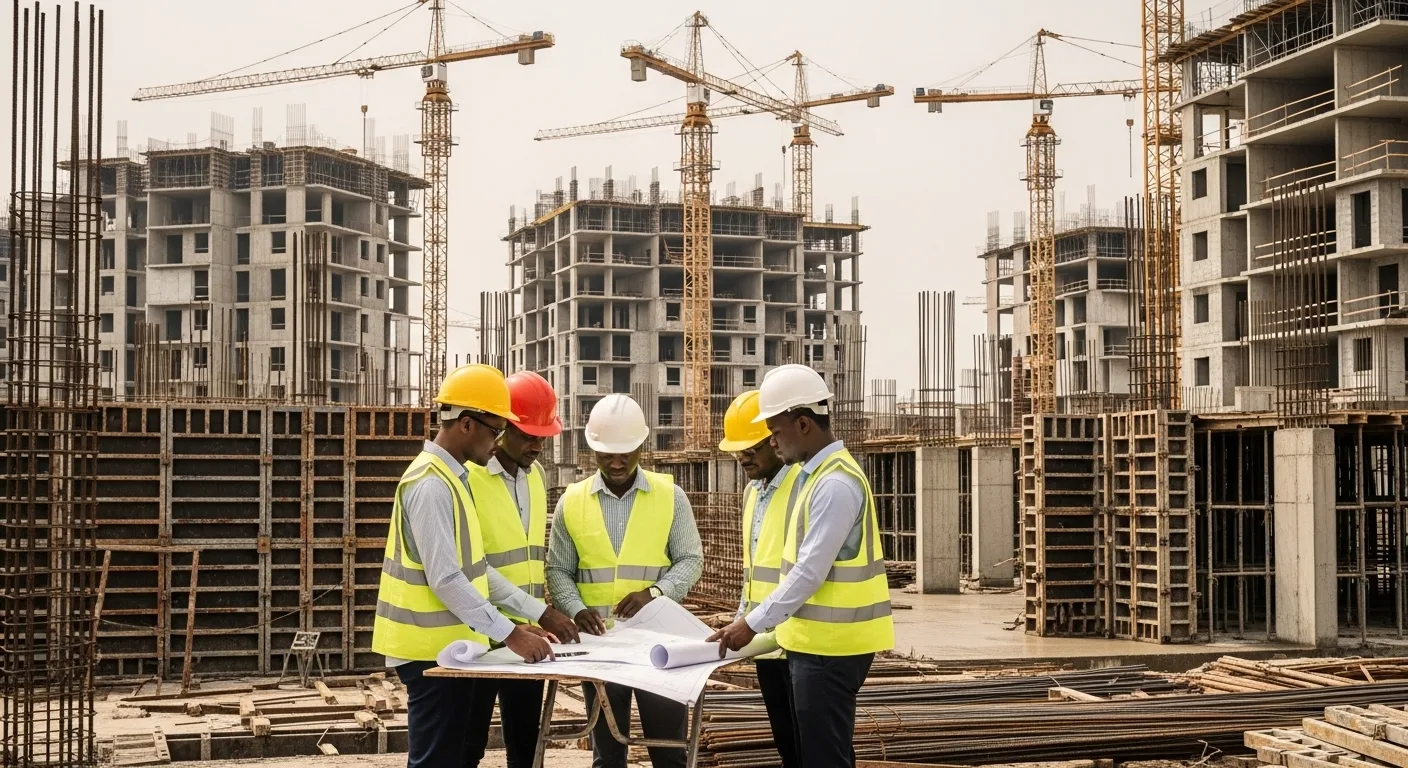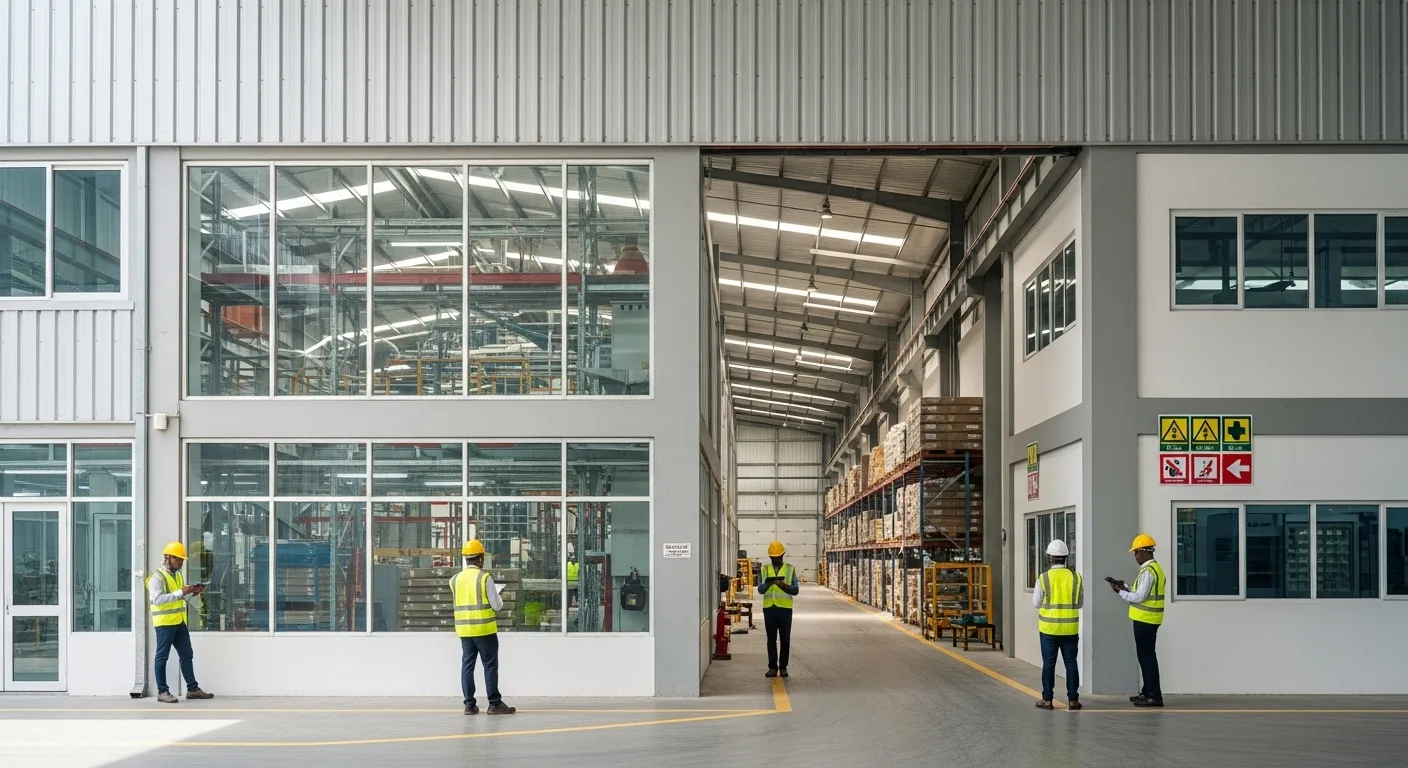
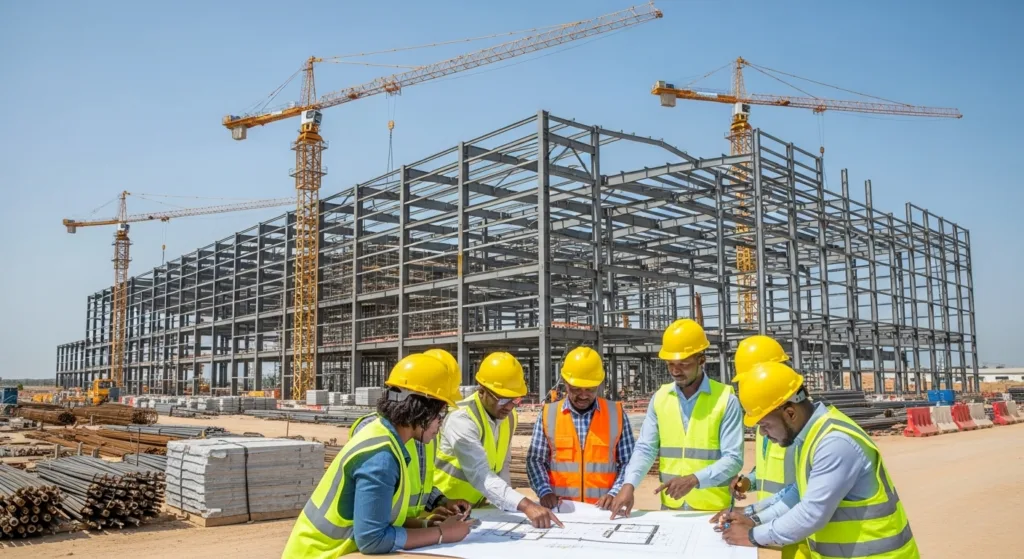
Industrial construction in Nigeria plays a critical role in national development, economic growth, and job creation. From manufacturing plants and warehouses to pharmaceutical facilities and food-processing factories, industrial projects Nigeria continues to expand as local and multinational companies invest in production capacity. You may also like to read: Modern Civil Engineering in Nigeria.
However, many projects fail to meet expectations due to poor planning, weak contractor selection, and inadequate compliance with engineering standards. Applying proven construction best practices Nigeria is essential for delivering safe, durable, and cost-effective facilities.
This article explains the most important best practices for successful industrial construction Nigeria projects.
1. Comprehensive Project Planning and Feasibility Studies
Every successful industrial project begins with detailed planning. Before construction starts, developers must conduct:
-
Technical feasibility studies
-
Environmental impact assessments
-
Soil investigation and geotechnical surveys
-
Budget and timeline analysis
In Nigeria, soil conditions vary significantly across regions. Lagos and coastal areas, for example, require specialized foundation designs due to swampy terrain. Without proper investigation, factory construction Nigeria projects risk structural failure, cost overruns, and long delays.
Professional civil engineering Nigeria teams ensure that structural designs align with real site conditions and regulatory requirements.
2. Selecting Experienced Construction Companies in Nigeria
One of the most common causes of project failure is choosing the wrong contractor. Not all building contractors Nigeria have the technical capacity to deliver complex industrial facilities.
When evaluating construction companies in Nigeria, consider the following:
-
Proven experience with industrial projects Nigeria
-
Ownership or access to heavy equipment
-
Qualified engineers and project managers
-
Strong safety record
-
Completed projects portfolio
-
Financial stability
Industrial facilities require specialized knowledge in load calculations, reinforced concrete works, steel structures, mechanical installations, and compliance with industrial safety standards.
Partnering with experienced construction companies in Nigeria significantly reduces technical risks and improves delivery timelines.
3. Compliance with Nigerian Building Codes and Regulations
Regulatory compliance is not optional in industrial construction in Nigeria. Developers must adhere to:
-
National Building Code of Nigeria
-
State planning regulations
-
Environmental protection laws
-
Fire safety standards
-
Occupational health and safety guidelines
Failure to comply can result in:
-
Project shutdowns
-
Heavy fines
-
Demolition orders
-
Legal disputes
Professional civil engineering Nigeria firms ensure proper documentation, approvals, and inspections at every stage of construction.
4. Use of Quality Materials and Standardized Construction Methods
Material quality directly affects the lifespan and safety of industrial buildings.
Best practices include:
-
Using certified cement, steel reinforcement, and aggregates
-
Testing concrete strength regularly
-
Applying corrosion protection in coastal environments
-
Using industrial-grade roofing and cladding systems
-
Installing proper drainage and wastewater systems
Factory construction in Nigeria projects must also consider vibration resistance, heavy machinery loads, and fire-resistant materials.
Low-quality materials may reduce initial costs but lead to expensive repairs, safety hazards, and business interruptions later.
5. Strong Project Management and Communication
Industrial projects Nigeria often involve multiple stakeholders:
-
Developers
-
Engineers
-
Architects
-
Government agencies
-
Equipment suppliers
-
Safety inspectors
Effective project management ensures:
-
Clear scope definition
-
Accurate scheduling
-
Budget tracking
-
Risk management
-
Regular progress reporting
Construction companies in Nigeria that implement structured project management frameworks consistently outperform competitors in quality and delivery speed.
6. Health, Safety, and Environmental (HSE) Compliance
Industrial construction environments are high-risk zones. Best practices Nigeria require strict HSE policies, including:
-
Mandatory safety training
-
Protective equipment usage
-
Site hazard assessments
-
Emergency response planning
-
Waste management procedures
Accidents not only cause human suffering but also result in:
-
Work stoppages
-
Legal liabilities
-
Reputation damage
-
Increased insurance costs
Professional building contractors Nigeria prioritize safety culture as part of operational excellence.
7. Integration of Modern Construction Technologies
The construction industry in Nigeria is rapidly evolving. Leading civil engineering Nigeria firms are adopting:
-
Building Information Modeling (BIM)
-
Drone site inspections
-
Advanced concrete testing methods
-
Prefabricated structural components
-
Digital project management systems
These technologies improve:
-
Design accuracy
-
Construction speed
-
Cost control
-
Structural reliability
Modern industrial construction Nigeria projects benefit greatly from technology-driven workflows.
8. Sustainable and Energy-Efficient Design
Sustainability is becoming a key requirement in factory construction Nigeria. Best practices include:
-
Energy-efficient lighting systems
-
Natural ventilation design
-
Solar integration
-
Water recycling systems
-
Low-emission building materials
Sustainable design reduces long-term operational costs and aligns facilities with global environmental standards, which is particularly important for multinational clients.
9. Proper Documentation and Quality Assurance
Every stage of industrial projects Nigeria should be documented:
-
Structural drawings
-
Material certificates
-
Inspection reports
-
Test results
-
Completion certificates
Quality assurance systems ensure construction meets contractual specifications and engineering standards.
This documentation is also critical for:
-
Regulatory audits
-
Insurance claims
-
Facility resale or expansion
-
Investor confidence
10. Post-Construction Testing and Commissioning
Before handover, industrial facilities must undergo:
-
Structural integrity testing
-
Electrical system verification
-
Mechanical equipment testing
-
Fire safety system inspection
-
Environmental compliance checks
Reputable construction companies in Nigeria treat commissioning as a mandatory phase, not an optional step.
Conclusion
Industrial construction Nigeria is a technically demanding field that requires strong planning, skilled execution, regulatory compliance, and professional project management.
Developers who follow established construction best practices Nigeria benefit from:
-
Lower project risk
-
Higher structural quality
-
Improved safety
-
Predictable timelines
-
Long-term operational efficiency
Selecting qualified building contractors Nigeria and experienced civil engineering Nigeria professionals is the foundation of successful industrial projects Nigeria.
As Nigeria continues to industrialize, companies that invest in proper construction standards will gain long-term competitive advantages.