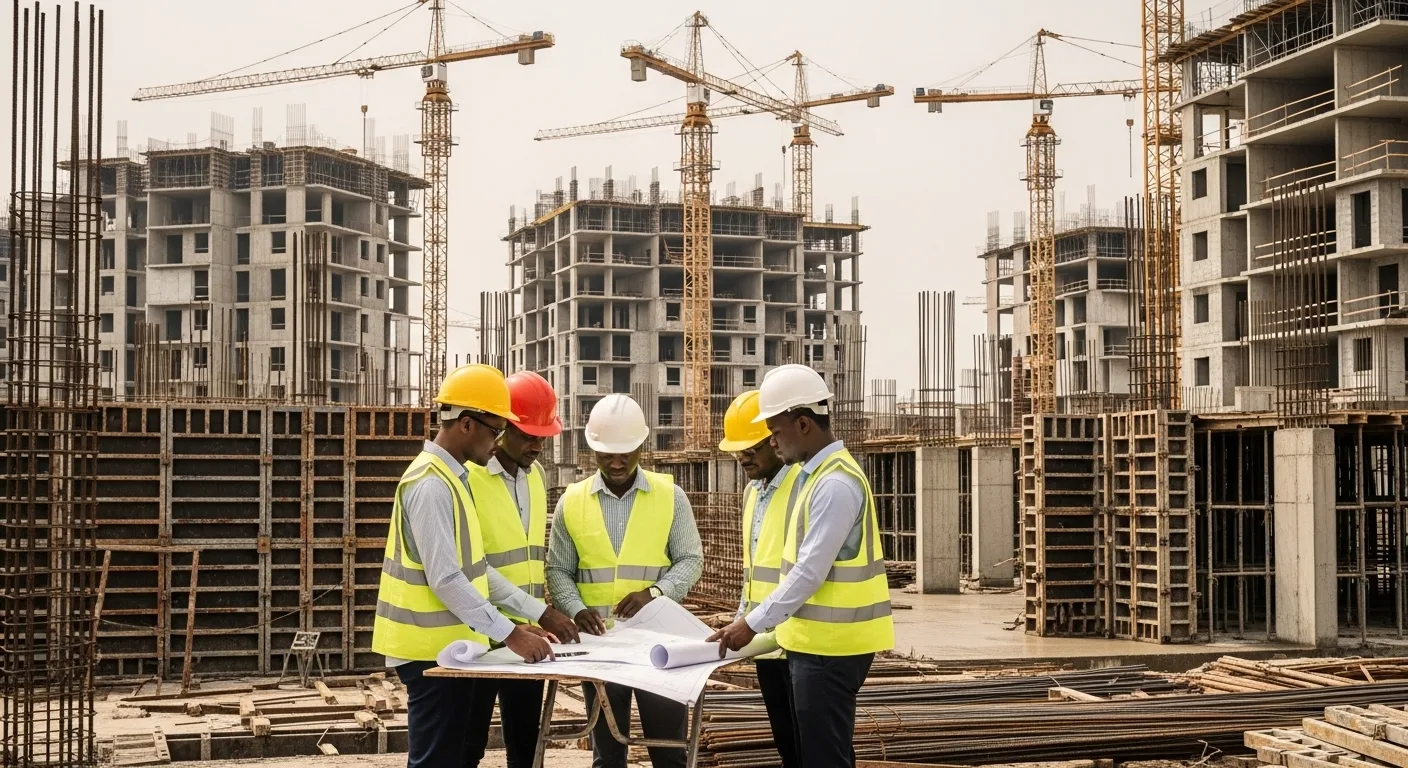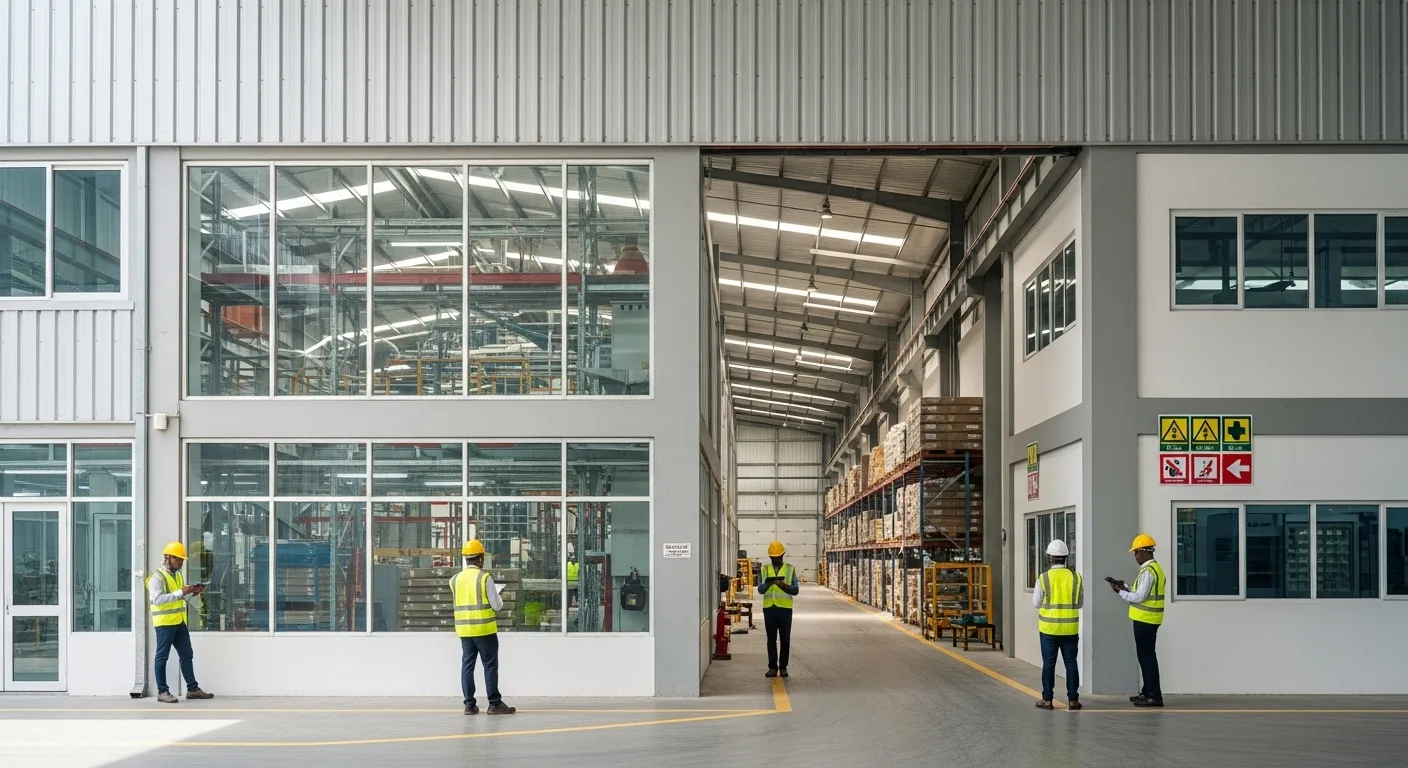
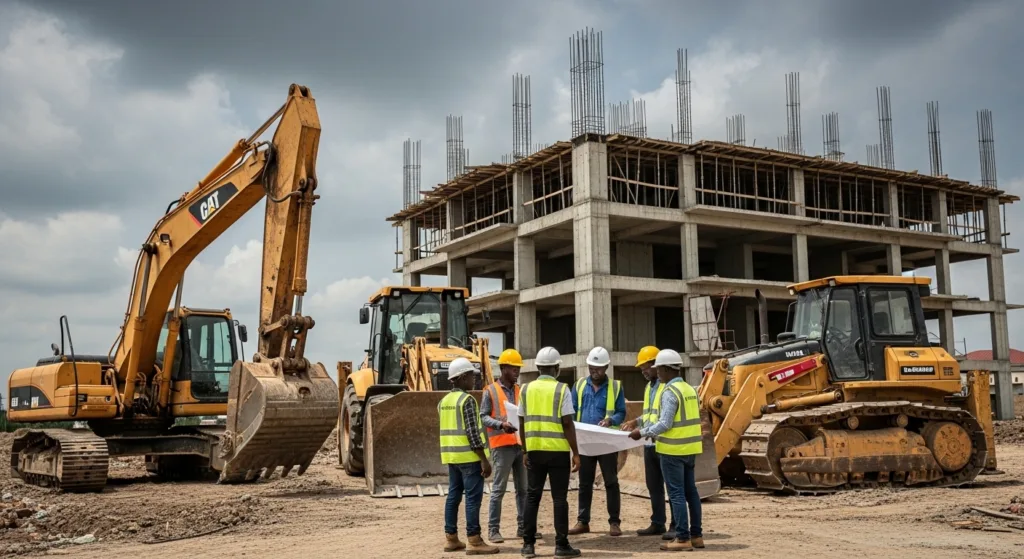
Project delays in Nigeria remain one of the biggest challenges facing developers, investors, and construction companies in Nigeria. Whether the project is a residential estate, office complex, factory construction Nigeria facility, or major infrastructure development, schedule overruns are common and costly. You may also like to read: Factory Building Standards in Nigeria Explained.
Delays increase project budgets, disrupt business plans, damage reputations, and often lead to legal disputes between clients and building contractors Nigeria firms.
Understanding the root causes of delays is the first step toward preventing them.
1. Poor Project Planning and Scheduling
Inadequate planning is the leading cause of project delays in Nigeria.
Common planning failures include:
-
Unrealistic timelines
-
Incomplete designs
-
Undefined scope of work
-
Weak risk assessment
-
Lack of contingency planning
Without a detailed work program, contractors struggle to coordinate labor, materials, and equipment.
Professional construction management Nigeria practices emphasize structured scheduling tools, milestone tracking, and resource forecasting to avoid these problems.
2. Selecting Inexperienced Contractors
Many delays originate from poor contractor selection.
Some construction companies in Nigeria lack:
-
Technical expertise
-
Skilled engineers
-
Adequate manpower
-
Project management systems
-
Financial capacity
In industrial construction Nigeria projects, inexperience can cause major technical mistakes, forcing redesigns and reconstruction.
Choosing qualified building contractors Nigeria clients trust significantly reduces schedule risks.
3. Cash Flow Problems and Delayed Payments
Construction requires steady funding.
Delays occur when:
-
Clients fail to release funds on time
-
Contractors lack working capital
-
Banks delay loan disbursements
-
Inflation increases material prices unexpectedly
When cash flow stops:
-
Workers abandon sites
-
Suppliers withhold materials
-
Equipment rentals are terminated
Factory construction Nigeria projects are especially vulnerable due to high material and equipment costs.
4. Poor Site Management and Supervision
Weak supervision leads to:
-
Low productivity
-
Material wastage
-
Rework
-
Safety incidents
-
Disorganized workflows
Civil engineering Nigeria projects require constant technical oversight to ensure work meets specifications.
Construction companies in Nigeria with strong site management teams consistently deliver faster and with fewer errors.
5. Design Changes and Scope Creep
Clients often introduce changes after construction begins.
Common examples:
-
Additional floors
-
New layouts
-
Structural modifications
-
Upgraded finishes
-
Equipment relocation
While some changes are unavoidable, excessive modifications disrupt schedules, increase costs, and delay material procurement.
Proper construction management Nigeria practices require formal change control systems.
6. Regulatory and Approval Delays
Nigeria’s regulatory environment can slow projects due to:
-
Building permit delays
-
Environmental approval processes
-
Fire safety certification
-
Utility connection approvals
-
State planning authority inspections
Construction companies in Nigeria that lack regulatory experience often underestimate these timelines.
Experienced civil engineering Nigeria firms factor approvals into project schedules.
7. Material Shortages and Supply Chain Disruptions
Construction delays occur when:
-
Imported materials are stuck at ports
-
Cement or steel prices spike
-
Specialized equipment is unavailable
-
Local suppliers fail to deliver on time
Industrial construction Nigeria projects often require specialized machinery and materials, increasing supply chain complexity.
Advanced procurement planning reduces these risks.
8. Labor Shortages and Skill Gaps
Nigeria faces shortages of:
-
Skilled masons
-
Welders
-
Steel fixers
-
Electricians
-
Heavy equipment operators
When skilled labor is unavailable:
-
Work slows down
-
Quality declines
-
Rework becomes necessary
Building contractors Nigeria firms that invest in training and workforce planning perform better.
9. Poor Communication Between Stakeholders
Delays often result from miscommunication between:
-
Clients
-
Consultants
-
Contractors
-
Suppliers
-
Government agencies
Examples include:
-
Unclear instructions
-
Late approvals
-
Conflicting drawings
-
Delayed decisions
Construction management Nigeria frameworks prioritize structured communication channels.
10. Weather and Environmental Conditions
Nigeria’s climate affects construction schedules:
-
Heavy rainfall slows excavation and concrete work
-
Flooding damages foundations
-
Extreme heat affects worker productivity
Industrial construction Nigeria projects in coastal or swampy regions require weather-responsive scheduling.
11. Equipment Breakdowns
Delays occur when contractors rely on:
-
Old machinery
-
Poorly maintained equipment
-
Rented machines with limited availability
Equipment failures halt critical activities such as earthworks, concreting, and lifting operations.
Professional construction companies in Nigeria maintain in-house equipment fleets.
12. Safety Incidents on Site
Accidents result in:
-
Work stoppages
-
Investigations
-
Legal procedures
-
Loss of skilled workers
Factory construction Nigeria sites involve high-risk operations such as heavy lifting and electrical installations.
Strict safety compliance reduces downtime.
13. Corruption and Bureaucracy
Unofficial processes can delay:
-
Permits
-
Inspections
-
Customs clearance
-
Utility connections
Ethical construction management Nigeria practices reduce exposure to bureaucratic delays.
14. Poor Contract Management
Vague contracts lead to:
-
Disputes
-
Work stoppages
-
Legal actions
-
Contractor withdrawal
Well-defined contracts clarify responsibilities, timelines, and penalties.
15. External Economic Factors
Macroeconomic issues affecting project timelines include:
-
Currency fluctuations
-
Inflation
-
Fuel price increases
-
Import restrictions
These factors increase costs and disrupt procurement schedules.
Impact of Project Delays
Project delays in Nigeria cause:
-
Budget overruns
-
Investor dissatisfaction
-
Lost business opportunities
-
Reputation damage
-
Legal disputes
-
Reduced asset value
For industrial construction Nigeria projects, delays can halt manufacturing operations and revenue generation.
How to Reduce Project Delays in Nigeria
Best practices include:
-
Hiring experienced construction companies in Nigeria
-
Implementing strong construction management Nigeria systems
-
Conducting detailed planning and feasibility studies
-
Securing financing before construction
-
Using formal change management procedures
-
Prioritizing safety and equipment maintenance
-
Maintaining regulatory compliance
Conclusion
Project delays in Nigeria are rarely caused by a single factor. They result from a combination of poor planning, weak contractor capacity, financial constraints, regulatory challenges, and operational inefficiencies.
By selecting qualified building contractors Nigeria developers trust and applying structured civil engineering Nigeria and construction management Nigeria practices, developers can significantly reduce risks.
For factory construction Nigeria and other large-scale projects, proactive management is the difference between success and costly failure.