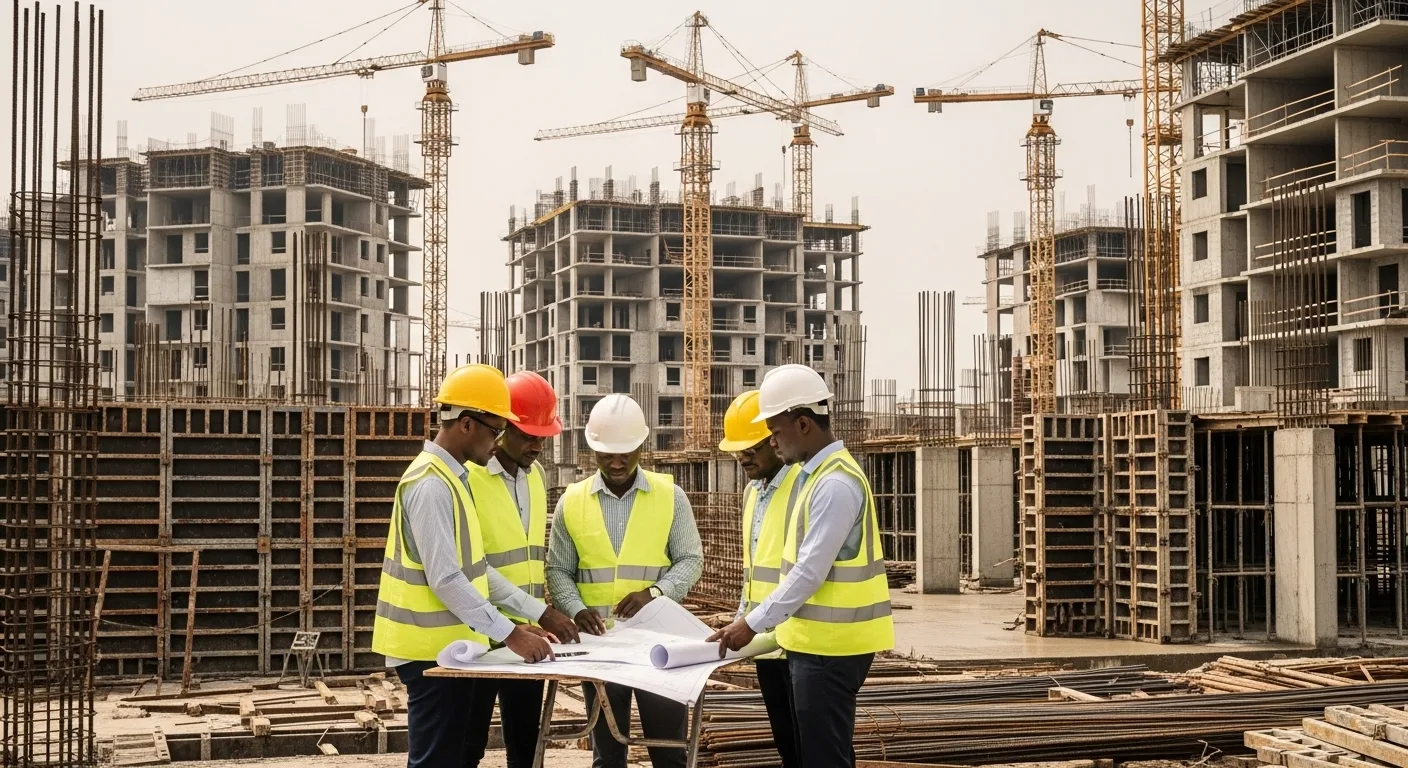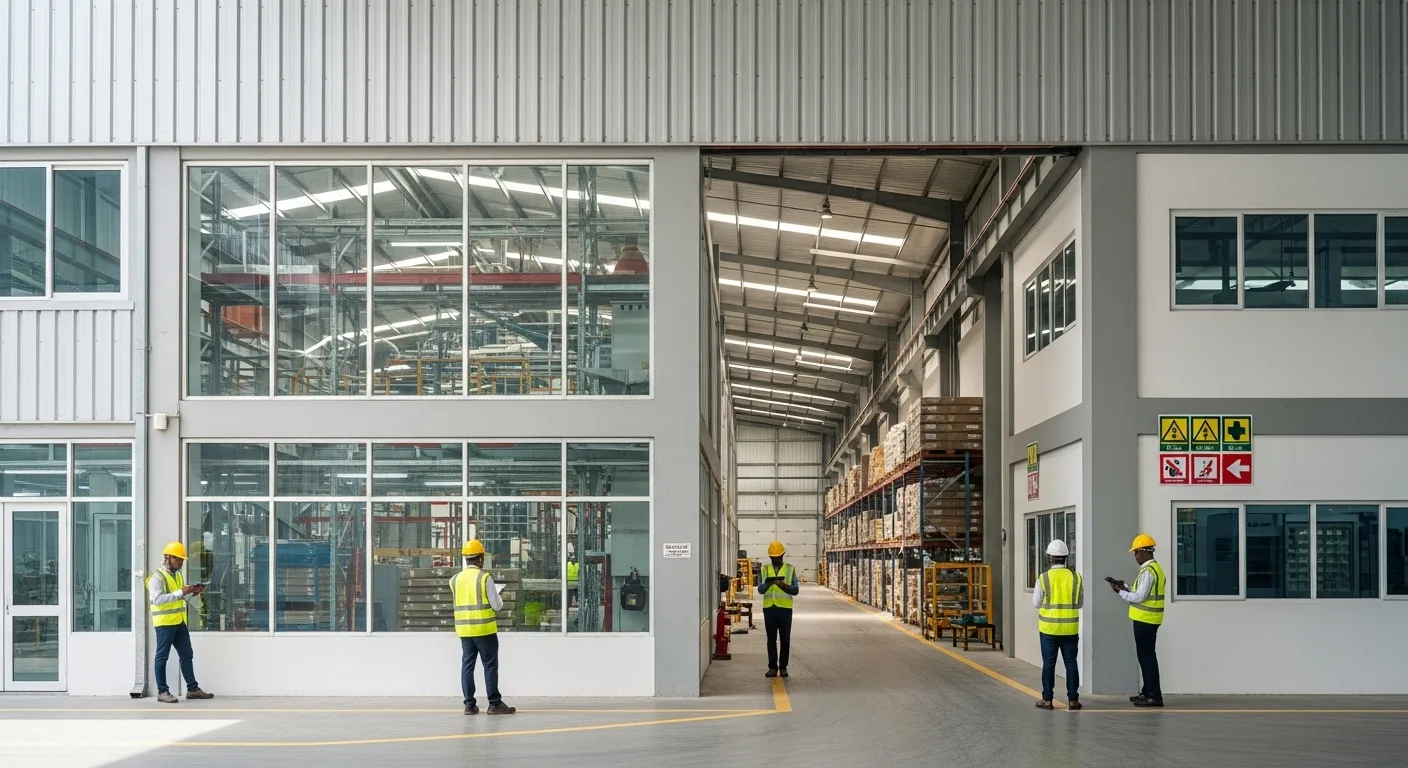
Factory buildings form the backbone of Nigeria’s manufacturing sector. From food processing plants and pharmaceutical factories to steel rolling mills and packaging facilities, industrial projects Nigeria depend on strong structural integrity, safety compliance, and operational efficiency. You may also like to read: Common Causes of Project Delays in Nigeria.
Failure to comply with factory building standards Nigeria can result in unsafe working environments, regulatory sanctions, costly shutdowns, and long-term structural defects. For this reason, developers and investors must understand the regulatory, technical, and engineering requirements guiding factory construction Nigeria.
This guide explains the key standards, regulations, and best practices shaping industrial construction Nigeria today.
1. National Building Code of Nigeria
The National Building Code provides the legal framework for all construction activities in the country.
It covers:
-
Structural design requirements
-
Load calculations
-
Fire resistance ratings
-
Material quality standards
-
Ventilation and lighting
-
Accessibility
-
Safety provisions
Construction companies in Nigeria must design factory buildings in line with this code to ensure durability, safety, and regulatory approval.
Civil engineering Nigeria professionals typically interpret these standards during design and construction phases.
2. Structural Design and Load Capacity
Factory buildings support heavy machinery, storage systems, and continuous operations.
Key structural standards include:
-
Reinforced concrete foundations
-
High load-bearing floor slabs
-
Steel frame design compliance
-
Wind and vibration resistance
-
Seismic considerations (where applicable)
Industrial construction Nigeria projects often involve dynamic loads from equipment, forklifts, and production lines. Floors and foundations must be engineered accordingly to prevent cracks, settlement, or collapse.
3. Fire Safety Standards
Fire safety is mandatory in factory construction Nigeria.
Standards include:
-
Fire-resistant structural materials
-
Emergency exits and escape routes
-
Fire detection and alarm systems
-
Sprinkler installations
-
Fire hydrant systems
-
Smoke extraction systems
Building regulations Nigeria authorities require fire safety certification before occupancy.
Construction companies in Nigeria must coordinate with fire services during inspection and approval.
4. Electrical and Mechanical Systems Compliance
Factory operations rely heavily on electrical and mechanical infrastructure.
Standards cover:
-
Power distribution design
-
Industrial-grade cabling
-
Backup power systems
-
Earthing and surge protection
-
Ventilation and air handling
-
Process piping systems
Civil engineering Nigeria teams collaborate with electrical and mechanical engineers to ensure safe installation and future scalability.
5. Environmental and Waste Management Standards
Environmental compliance is enforced through agencies such as NESREA and state authorities.
Factory buildings must include:
-
Wastewater treatment systems
-
Proper drainage infrastructure
-
Emission control mechanisms
-
Noise reduction designs
-
Safe chemical storage areas
Industrial projects Nigeria that fail environmental audits may face closure or heavy fines.
6. Occupational Health and Safety Requirements
Worker safety is a legal obligation.
Factory building standards Nigeria require:
-
Safe access routes
-
Anti-slip flooring
-
Adequate lighting
-
Proper ventilation
-
Protective barriers
-
Emergency signage
-
First aid facilities
Construction companies in Nigeria must integrate safety design from the planning stage.
7. Zoning and Land Use Regulations
Factories can only be built in approved industrial zones.
Authorities review:
-
Land title documentation
-
Zoning classification
-
Environmental impact assessments
-
Community impact studies
Building regulations Nigeria restrict industrial developments in residential areas.
8. Factory Floor Standards and Industrial Flooring
Industrial floors must support:
-
Heavy equipment loads
-
Chemical exposure
-
Temperature fluctuations
-
Continuous traffic
Common flooring systems include:
-
Reinforced concrete slabs
-
Epoxy coatings
-
Power-floated finishes
Factory construction Nigeria projects often specify flooring thickness and strength based on machinery weight.
9. Roofing and Cladding Standards
Factory roofs must provide:
-
Weather resistance
-
Thermal insulation
-
Noise reduction
-
Fire resistance
-
Proper drainage
Industrial construction Nigeria typically uses long-span aluminum or steel roofing systems with industrial gutters and insulation layers.
10. Ventilation and Air Quality Control
Manufacturing processes often release:
-
Heat
-
Dust
-
Chemicals
-
Vapors
Standards require:
-
Mechanical ventilation systems
-
Natural airflow design
-
Exhaust systems
-
Temperature control
Civil engineering Nigeria teams ensure compliance with occupational health guidelines.
11. Access Roads and Logistics Infrastructure
Factory buildings must include:
-
Heavy-duty access roads
-
Truck turning radius design
-
Loading bays
-
Parking areas
-
Drainage systems
These features improve operational efficiency and reduce congestion.
12. Inspection and Certification Process
Before operations begin, factories undergo:
-
Structural inspection
-
Electrical testing
-
Fire safety inspection
-
Environmental assessment
-
Building completion certification
Construction companies in Nigeria typically coordinate documentation and approvals on behalf of clients.
13. Role of Professional Consultants
Compliance requires collaboration between:
-
Architects
-
Structural engineers
-
Mechanical engineers
-
Electrical engineers
-
Environmental consultants
-
Quantity surveyors
Professional civil engineering Nigeria oversight ensures standards are met consistently.
14. Common Violations in Factory Construction
Many industrial projects Nigeria fail due to:
-
Weak foundations
-
Poor fire safety systems
-
Substandard materials
-
Unauthorized design changes
-
Ignoring zoning laws
These violations result in shutdowns, fines, or demolition orders.
15. Benefits of Complying with Factory Building Standards
Strict compliance provides:
-
Worker safety
-
Operational efficiency
-
Regulatory approval
-
Lower insurance premiums
-
Long-term asset durability
-
Investor confidence
Well-designed factory buildings also attract multinational partnerships.
Conclusion
Factory building standards Nigeria exist to protect lives, investments, and the environment.
For successful industrial construction Nigeria projects, developers must:
-
Follow national building codes
-
Work with experienced construction companies in Nigeria
-
Engage qualified civil engineering Nigeria professionals
-
Implement strict safety and environmental controls
Factory construction Nigeria executed according to these standards delivers safer operations, higher productivity, and long-term business sustainability.