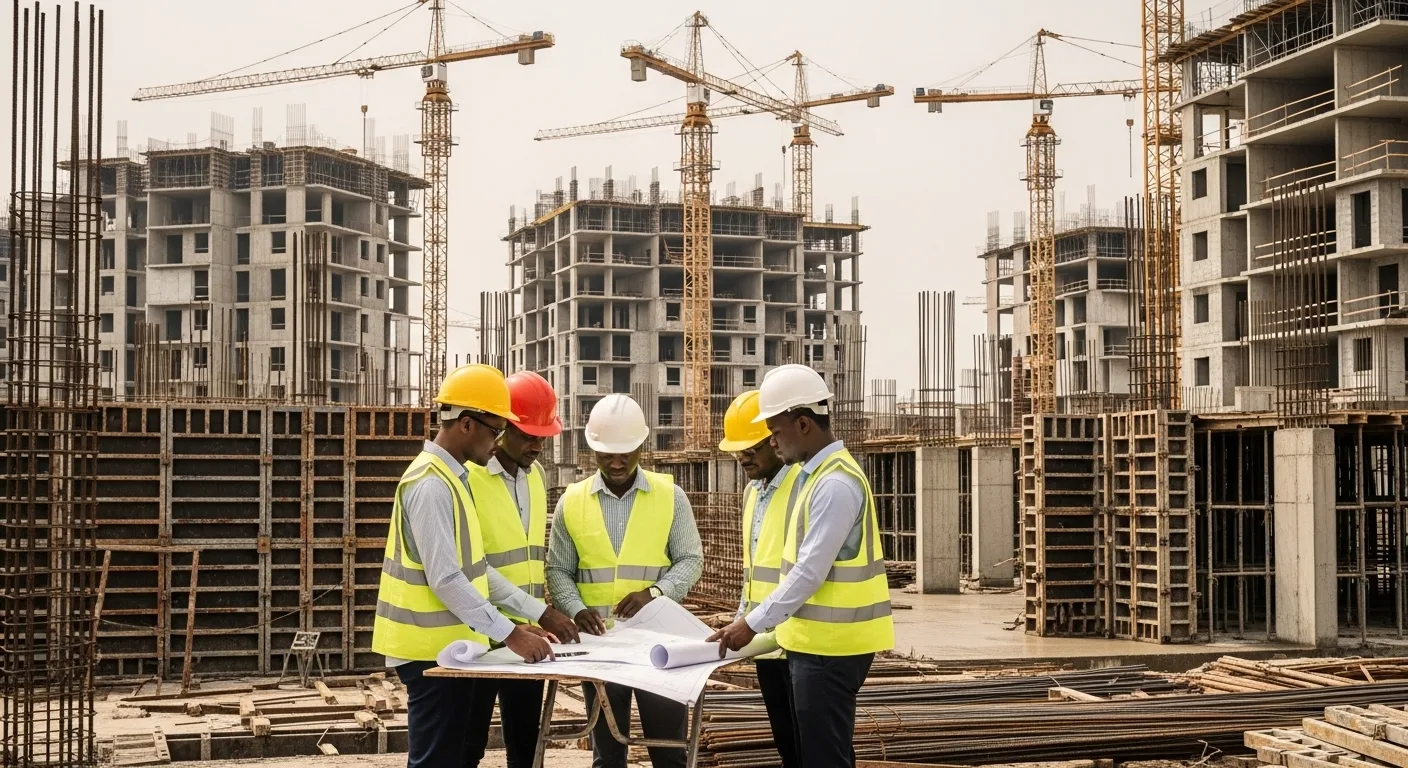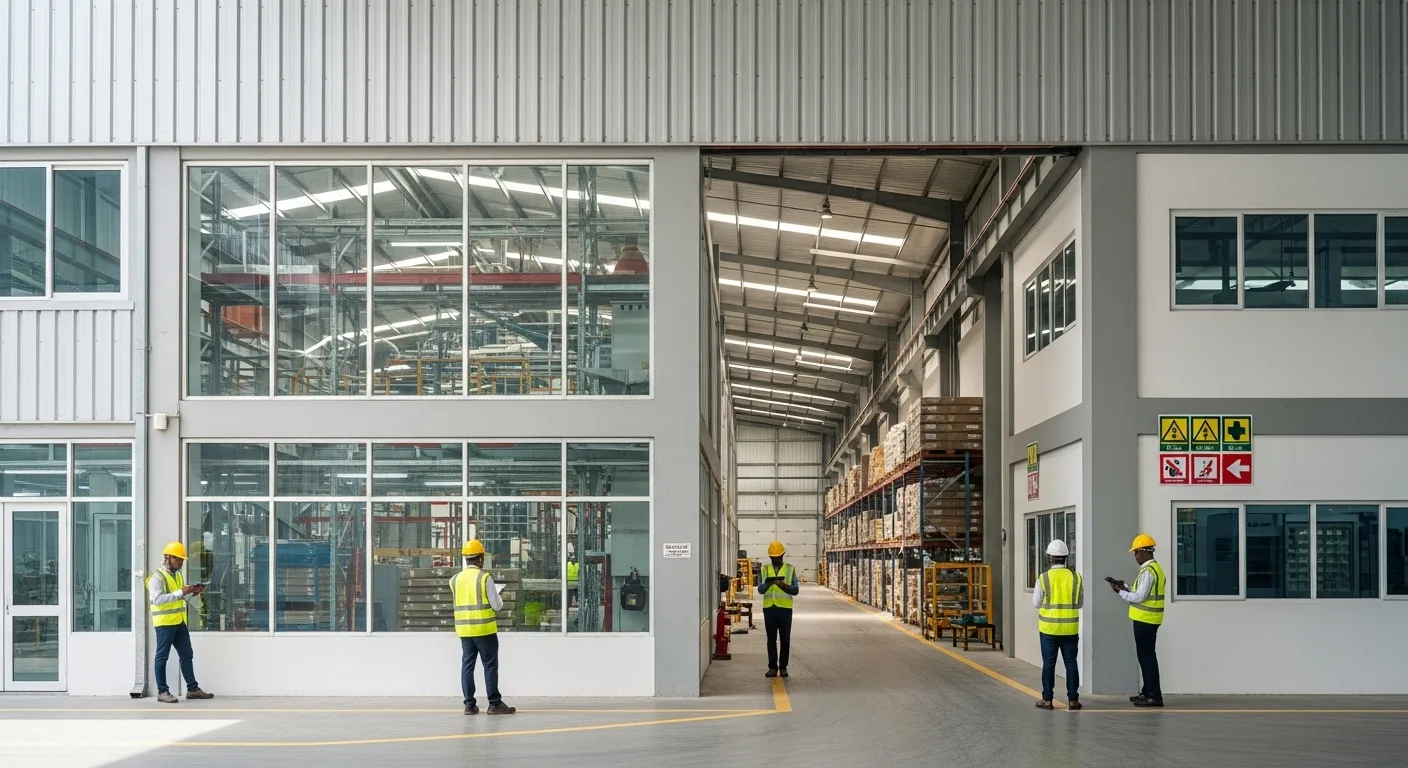

Modern civil engineering in Nigeria is transforming how buildings, factories, and infrastructure are designed and constructed. As the country experiences rapid urbanization, population growth, and industrial expansion, traditional construction methods are no longer sufficient to meet current demands. You may also like to read: Industrial Construction in Nigeria: Best Practices.
Today, civil engineering Nigeria projects increasingly rely on advanced technologies, improved materials, strict safety standards, and structured project management systems. These developments are reshaping industrial construction Nigeria, commercial real estate, transportation networks, and large-scale infrastructure development Nigeria initiatives.
This article explores how modern engineering practices are redefining construction across the country.
1. Evolution of Civil Engineering in Nigeria
Civil engineering Nigeria has evolved from basic construction practices into a technically sophisticated industry.
Key drivers of this evolution include:
-
Increased foreign investment
-
Growth of manufacturing and factory construction Nigeria
-
Government infrastructure programs
-
Adoption of international building standards
-
Rising demand for durable and safe structures
Modern construction Nigeria emphasizes efficiency, sustainability, safety, and long-term performance.
2. Adoption of Advanced Construction Technologies
Technology is now central to engineering projects.
Leading construction companies in Nigeria apply:
-
Building Information Modeling (BIM)
-
Computer-aided design (CAD)
-
Drone surveying and monitoring
-
Digital project scheduling tools
-
Automated material testing systems
These tools improve:
-
Design accuracy
-
Cost forecasting
-
Construction speed
-
Risk identification
-
Quality assurance
Industrial construction Nigeria projects particularly benefit from digital modeling due to complex structural requirements.
3. Use of High-Performance Construction Materials
Modern engineering prioritizes durable and efficient materials, including:
-
High-strength concrete
-
Corrosion-resistant steel reinforcement
-
Industrial epoxy flooring systems
-
Prefabricated structural components
-
Weather-resistant roofing and cladding
In factory construction Nigeria, these materials help support heavy machinery, reduce maintenance costs, and extend building lifespan.
4. Sustainable Engineering and Green Building Practices
Environmental sustainability is now a core engineering objective.
Modern civil engineering Nigeria projects incorporate:
-
Solar energy systems
-
Energy-efficient lighting
-
Rainwater harvesting
-
Waste recycling facilities
-
Low-carbon construction materials
Sustainable designs reduce operational costs and comply with environmental regulations, which is increasingly important for multinational investors.
5. Industrial Construction as a Growth Driver
Industrial construction Nigeria is one of the fastest-growing segments in the sector.
Factories, warehouses, pharmaceutical plants, and food processing facilities require:
-
Specialized foundation systems
-
High load-bearing floors
-
Steel structures
-
Mechanical and electrical integration
-
Advanced safety systems
Modern civil engineering methods enable faster construction and higher operational efficiency in these facilities.
6. Infrastructure Development and Mega Projects
Infrastructure development Nigeria depends heavily on civil engineering innovation.
Key areas include:
-
Road and bridge construction
-
Rail systems
-
Ports and logistics terminals
-
Power plants
-
Water supply and drainage systems
Modern engineering methods improve:
-
Structural lifespan
-
Traffic capacity
-
Flood resistance
-
Maintenance planning
Construction companies in Nigeria increasingly collaborate with international engineering firms on large projects.
7. Structured Project Management Systems
Modern construction Nigeria relies on formal project management frameworks such as:
-
Critical Path Method (CPM)
-
Risk management matrices
-
Quality control protocols
-
Performance monitoring dashboards
-
Cost management systems
Building contractors Nigeria who adopt structured project management deliver projects with fewer delays and cost overruns.
8. Improved Safety Engineering Standards
Safety is no longer optional.
Modern civil engineering Nigeria emphasizes:
-
Site hazard analysis
-
Protective equipment enforcement
-
Safety training programs
-
Emergency response planning
-
Structural fire resistance design
These practices reduce accidents and protect workers, investors, and the public.
9. Integration of Mechanical and Electrical Engineering
Modern buildings are complex systems.
Engineering designs now integrate:
-
HVAC systems
-
Industrial ventilation
-
Power distribution networks
-
Automation systems
-
Backup power solutions
Factory construction Nigeria projects rely heavily on this integration to support continuous production.
10. Prefabrication and Modular Construction
Prefabrication is gaining popularity.
Benefits include:
-
Faster project completion
-
Reduced on-site labor
-
Improved quality control
-
Lower waste generation
Industrial construction Nigeria projects increasingly use prefabricated steel components and modular structures.
11. Data-Driven Engineering Decisions
Engineering firms now rely on:
-
Structural simulation software
-
Load modeling tools
-
Environmental impact data
-
Soil analysis reports
These tools support informed decision-making and reduce structural failures.
12. Urban Development and Smart City Planning
Civil engineering Nigeria supports urban expansion through:
-
Integrated drainage systems
-
Smart traffic planning
-
Utility infrastructure design
-
Sustainable housing layouts
Modern construction Nigeria aims to reduce congestion, flooding, and energy waste in growing cities.
13. Challenges Facing Modern Civil Engineering in Nigeria
Despite progress, challenges remain:
-
Inconsistent regulatory enforcement
-
Skilled labor shortages
-
Rising material costs
-
Currency volatility
-
Infrastructure financing gaps
However, experienced construction companies in Nigeria mitigate these challenges through planning and technical expertise.
14. Role of Professional Engineering Firms
Qualified firms provide:
-
Structural design
-
Compliance documentation
-
Construction supervision
-
Quality assurance
-
Regulatory coordination
Their involvement ensures industrial construction Nigeria projects meet international standards.
15. Future of Civil Engineering in Nigeria
The future of civil engineering Nigeria includes:
-
Increased automation
-
Artificial intelligence in design
-
Smart materials
-
Green construction dominance
-
Greater collaboration with global engineering firms
These trends will further strengthen infrastructure development Nigeria and support economic growth.
Conclusion
Modern civil engineering in Nigeria represents a shift from traditional construction to technology-driven, safety-focused, and sustainability-oriented development.
By adopting advanced materials, digital tools, structured management systems, and global standards, construction companies in Nigeria and building contractors Nigeria are delivering stronger, safer, and more efficient projects.
From industrial construction Nigeria and factory construction Nigeria to major infrastructure development Nigeria initiatives, modern engineering practices are shaping the nation’s built environment for long-term success.